About EVAL Health

Clinical teams build their own assessments.

EVAL is for the assessments an EHR won't build and a survey tool can't score. Practitioners, clinical researchers and care teams design them in a visual builder, use at the point of care, deliver them by text, email, portal or kiosk, and track outcomes across a whole population from one place.

Make my own tools

No IT ticket. No developer. No custom EHR code.

Why EVAL Exists

EVAL Health began with a request that IT departments could not fill. Clinicians needed clinical decision support, patient assessments and calculators built for the way their own practice works. Those tools mattered to the clinic that asked for them, but they never outranked an organization-wide EHR project, so the work stayed on paper: forms scored by hand, scanned into the chart, with no way to see a score change over time and no way to flag the result that needed attention.

Jennifer Glen, DNP, a nurse practitioner, and Tim Michalski, a health IT engineer, had built clinical decision support together before, in hematology and cardiology. This time they started further back, by asking what clinics commonly need from their IT department. Drawing on decades of clinical practice and hours of interviews with clinicians about how their day actually runs, they mapped the instruments clinics were already running on paper: how each one was scored, what the score changed, and where in the visit it had to appear to be worth anything.

There are thousands of clinical instruments published in research journals that clinicians want to use and have no practical way to run. A paper form is difficult to administer and score reliably, and the scoring rules printed in a journal article are not a working tool on their own.

No one else is going to build those instruments. Most health IT effort goes to documentation, getting the visit recorded in the EHR, rather than to the instruments a clinician uses to assess a patient and decide what happens next. Requests for those wait years. There are also not enough health IT developers to build them one at a time, and every tool that gets built has to be maintained for years afterwards. Clinicians are equipped to build these instruments themselves. What they lacked was an intuitive, no-code builder made for the job.

EVAL is that builder. Working alone, a clinician can write the questions, branch them on the answers given, score the result, and set the range that raises an alert. The finished instrument reaches staff and patients within days, not months or years.


EVAL Health team at a conference booth

The founders

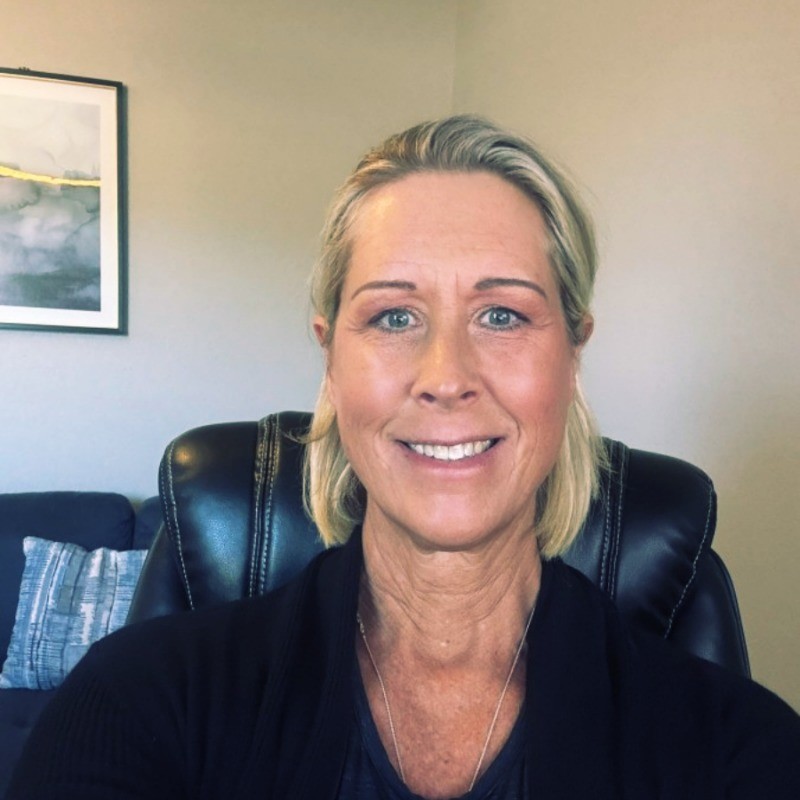
Tim Michalski

Tim Michalski

Founder & Chief Executive Officer

Tim has been launching software companies since 1995, starting with an e-commerce venture and then twenty years building software products for banking and finance. After a colleague convinced him to do a healthcare software platform in 2008, Tim found an IT environment a decade behind and in dire need of advancement. Tim has been launching clinical software platforms ever since.

Jennifer Glen

Jennifer Glen

Founder & Chief Medical Officer

Jennifer is a board-certified family nurse practitioner, FNP-BC, with a doctorate in organizational leadership. She has served as chief medical officer across several health IT ventures, carrying products from inception through full-scale clinical use. She is a retired Army Major and an Afghanistan veteran.

376

Clinical instruments built on EVAL, across 705 published revisions.

200+

Curated instruments in the community library, each one clinically reviewed.

125+

Clinical accounts building and running their own assessments.

The community library

EVAL Health curates a public library of clinical instruments from contributors who want to share the work they authored with the clinical community. Every submission is reviewed, and the library carries only instruments from researchers and medical societies whose work is clinically sound.

Contributors

SMSNA Sexual Medicine Society of North America ISSWSH International Society for the Study of Women’s Sexual Health OSU Center for Health Sciences Memorial Sloan Kettering Cancer Center Anticoagulation Forum MAP Education & Research Foundation

Platform timeline

From a single decision tool to a clinical platform

2024

Clinical decision support

Built by the clinician who needed the answer, at the moment of the decision.

2025

One-tap patient engagement

Responding takes no login and no app, and that is what keeps response rates up.

2025

Clinical workflow platform

Follow-ups that send themselves at scheduled intervals, and triage that separates the normal results from the ones a person has to act on.

2026

AI Builder

A clinician describes an instrument in chat and adjusts it the same way, instead of laying every scoring rule out by hand.

2026

Mayo Clinic Platform

EVAL joins the Mayo Clinic Platform integration layer, putting it within reach of their network of health systems worldwide.

2027 · Roadmap

Clinical workflow automation

Automating patient panels and cohorts with clinical automations that are triggered from activities and results from the patient chart.