
A Sexual Tipping Point® (STP) Model Primer
A comprehensive model for etiology, diagnosis, and treatment of sexual disorders.
Michael Perelman
Provided by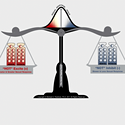 MAP Education & Research Foundation
Instructions
A concise, practical guide to the Sexual Tipping Point® (STP) Model — an integrative framework for evaluating and treating sexual disorders.
How to Use Sexual Tipping Point® (STP) Model Primer
This app provides a concise introduction to the Sexual Tipping Point® (STP) Model. It promotes a transdisciplinary perspective and offers practical guidance for integrating sexual counseling with biomedical, psychological, relational, and sociocultural care in the evaluation and treatment of male and female sexual dysfunctions.
The STP Model is presented as a practical clinical framework to support diagnostic reasoning alongside biomedical assessment and treatment. It is intended to complement—not replace—clinical judgment, laboratory evaluation, medical or surgical interventions, and appropriate referrals.
By organizing both mental and physical contributors, the STP Model provides a structured way to understand how multiple interacting factors dynamically shape sexual function. It supports comprehensive assessment, interdisciplinary collaboration, and informed referral, while discouraging oversimplified, single-cause explanations.
Who It's For?
This primer is designed for both specialists and non-specialists, including:
Physicians
Mental Health Clinicians (Psychologists, Social Workers, Counselors)
Physician Associates (PAs), Nurse Practitioners (NPs), and Physical Therapists (PTs)
Researchers and trainees
Dr. Michael A. Perelman is a Clinical Professor Emeritus of Psychiatry at Weill Cornell Medicine | New York-Presbyterian Hospital and the Co-Director of the Human Sexuality Program at the Payne Whitney Clinic. He also served as a Clinical Professor of Reproductive Medicine and Urology at the New York Weill Medical College of Cornell University.
In 2011, he founded the MAP Education & Research Foundation, a 501(c)(3) public charity dedicated to educating healthcare providers about the importance of maintaining a biomedical, psychosocial, and cultural approach to the diagnosis and treatment of sexual disorders. In 2012, Dr. Perelman donated the registered trademark of his Sexual Tipping Point® Model to the Foundation, ensuring that it would be made available free of charge to healthcare professionals worldwide.
All questions & possible results
How to Use Sexual Tipping Point® (STP) Model Primer
This app provides a concise introduction to the Sexual Tipping Point® (STP) Model. It promotes a transdisciplinary perspective and offers practical guidance for integrating sexual counseling with biomedical, psychological, relational, and sociocultural care in the evaluation and treatment of male and female sexual dysfunctions.
The STP Model is presented as a practical clinical framework to support diagnostic reasoning alongside biomedical assessment and treatment. It is intended to complement—not replace—clinical judgment, laboratory evaluation, medical or surgical interventions, and appropriate referrals.
By organizing both mental and physical contributors, the STP Model provides a structured way to understand how multiple interacting factors dynamically shape sexual function. It supports comprehensive assessment, interdisciplinary collaboration, and informed referral, while discouraging oversimplified, single-cause explanations.
Who It's For?
This primer is designed for both specialists and non-specialists, including:
Physicians
Mental Health Clinicians (Psychologists, Social Workers, Counselors)
Physician Associates (PAs), Nurse Practitioners (NPs), and Physical Therapists (PTs)
Researchers and trainees
How to Use this App
Content:
Module 1: Foundations (~30 min)
From early sexology to the biopsychosocial modelModule 2: The STP Model (~20 min)
A dynamic "balance" model integrating mental and physical factorsModule 3: Clinical Application (~30 minutes)
A five-step clinical process: sex status, differential diagnosis, treatment, follow-up, and relapse preventionModule 4: Advanced Clinical Practice (~20 min)
Referral strategies, time constraints, treatment formats, case examples, and addressing patient concerns
Each module includes “thumbnails” that offer additional content and/or brief video snippets for those seeking a deeper understanding of specific topics. These can be explored in full or simply scanned, at the viewer’s discretion.
Choose Your Path:
Select one option:
- Full Primer - All Modules · ~90–120 minutes
- Fast Track - Clinical Focus (Modules 2–4) · ~30–45 minutes
Module 1: Historical Foundations
1.A — History of Modern Sexual Medicine & Sex Therapy
1.B — Historical Antecedents to the Sexual Tipping Point® Model
1.C — Modern Sexual Theories & the Sexual Response Cycle
1.D — The Importance of Biomedical Knowledge
1.E — Evolution of the STP Model as a Variable Control Biopsychosocial Model
1.A — History of Modern Sexual Medicine & Sex Therapy
Sexual dysfunctions are often experienced as devastating problems since the beginning of recorded time and were detailed in Stone Age wall paintings and biblical references. Throughout history, the most abundant sexual material has been found in art, illustrated sex manuals and pornography. Sexual medicine today is essentially a postmodern, 21st-century solution to a pre-biblical problem. It has progressed through classical, religious, pathological, empirical, and modern eras, shaped by medicine, psychology, and culture. In the Western world it evolved from ancient humoral theories to today’s integrative biomedical-psychosocial-cultural framework.
The Birth of Sexology
Magnus Hirschfeld (1868 – 1935) and Iwan Bloch (1872 – 1922) founded scientific sexology in Germany. Freud introduced psychosexual theory, emphasizing libido and developmental stages. Freud’s analytic perspective recognized sexuality as a fundamental drive that shaped human thought, behavior, and psychopathology. He introduced concepts such as infantile sexuality, psychosexual stages, and the unconscious dynamics of desire and repression.
1950s-1980: Psychosocial Approaches: Empirical and Therapeutic Advances
Alfred Kinsey’s behavioral surveys, and Masters & Johnson’s laboratory research, normalized the scientific study of sexuality. Helen Singer Kaplan later integrated psychodynamic and behavioral therapy models.
1970s-2000 Modern Biomedical Approaches Emerge
Modern biomedical approaches emerge, Testosterone among other endocrine studies were early, but modern biomedical approaches emerged as Sir Giles Skey Brindley and F. Brantley Scott initiate the pharmacologic and the surgical branches of modern sexual medicine. Brindley’s bold pharmacologic demonstration revolutionized non-surgical treatment, while Scott’s prosthetic innovations restored function surgically. Following the introduction of Viagra in 1998 urologists dominate and establishes hegemony over sexual medicine. During that period of time, societies were founded that focus on the understanding of sexual response and its disorders, including among others Society for Sex Therapy and Research (SSTAR) (1975). International Society for Impotence Research (ISIR) → later International Society for Sexual Medicine (ISSM) (1978), Sexual Medicine Society of North America (SMSNA) (1994), International Society for the Study of Women’s Sexual Health (ISSWSH)) was officially established on 2001 in Boston, following a name change from the Female Sexual Function Forum (FSFF). Professional journals followed from the mid-twentieth to the 21st century including among others: Journal of Sex Research (JSR) founded in 1965 by the Society for the Scientific Study of Sexuality (SSSS), Archives of Sexual Behavior (1971), Journal of Sex and Marital Therapy (1976), Journal of Sexual Medicine (2004), Current Sexual Health Reports (2004), Sexual Medicine Reviews, 2013, etc.
Late 20th–21st Century: Biomedical-Psychosocial Integration
Female sex therapists and sexual medicine experts from psychology, psychiatry and gynecology like Doctors Sandra Leiblum, Rosemary Basson, Ellen Laan, Anita Clayton, Annamaria Giraldi, Cindy Meston, Julia Heiman, Lori Brotto, as well as others, brought attention to the needs of woman and differentiate how they needed to be both understood and treated for sexual concerns. Psychologists, Drs Stanley Altolf, Barry McCarthy, Michael Perelman and Raymond Rosen, spoke, wrote and taught about combining sexual counseling with the new medical and surgical treatments for sexual disorders advocating for an integrated approach.
21st Century: Unified Theories of Etiology & Treatment
By the 21st century, sexual medicine unified surgery, pharmacology, and psychology. There are a number of unifying theories to understand the etiology and treatment of sexual disorders. This “App” concentrates on Dr. Michael A. Perelman’s Sexual Tipping Point® model which was designed explicitly for clinical use and offers an integrated biopsychosocial approach which also incorporated culture and context
1.B — Historical Antecedents to the Sexual Tipping Point® Model
In the West, popular sex handbooks were typically banned, while medical texts—much as many still do today—confined their discussion to sexual physiology or sexual pathology. Dedicated sexology institutes nonetheless emerged as part of the early twentieth-century academic landscape in Europe, particularly in pre–World War II Germany. Early medical writings were largely unenlightened, often asserting that masturbation caused both blindness and insanity. This view remained largely unchallenged until Havelock Ellis (1859-1939) directly countered the prejudices of an earlier generation, arguing that there was neither scientific nor moral justification for anti-masturbation beliefs.
The numerous editions of Psychopathia Sexualis (1886) by Richard von Krafft-Ebing (1840-1902) compiled extensive case histories describing human sexual behavior, while Ideal Marriage (1926) by Dutch gynecologist Theodor van de Velde (1873-1937)) achieved wide circulation in the United States. For a more detailed historical perspective, see History of Sexual Medicine (Perelman, 2014).
References
Perelman MA. “The History of Sexual Medicine.” In APA Handbook of Sexuality and Psychology [Eds: Diamond, L & Tolman, D]. American Psychological Association, Washington, D.C., 2014.
1.C — Modern Sexual Theories & the Sexual Response Cycle
The following sections will peruse of modern sexual thought leaders, whose work laid the foundation for the Sexual Tipping Point Model.
Sigmund Freud (1856-1939)
Alfred Kinsey (1894-1956)
Masters & Johnson - Sexual Response Cycle (1970)
Helen S. Kaplan - Triphasic Concept (1970)
Rosemary Basson - Non-Linear Model Of Sexual Response (2001)
Alfred Kinsey (1894–1956)
Alfred Kinsey (1894–1956) took a different track to Freud’s then dominant psychoanalytic approach that emphasized libido, psychosexual stages, and the unconscious influence of repressed sexual desires on mental health. Kinsey used a taxonomic approach to the classification of male and female sexual behavior foreshadowed the epidemiological emphasis that characterizes modern sexual medicine. Debates about the relative influences of culture and society on sexuality compared with biologic and intrapsychic factors, precipitated by the publication of his two key volumes on male (Kinsey, Pomeroy, & Martin, 1948) and female sexuality (Kinsey, Pomeroy, Martin, & Gebhard, 1953), continue unabated to this day. Kinsey’s work in collecting real data about real people and the founding of the Kinsey Institute for Sex Research at Indiana University in 1947 all laid meaningful, important foundations for the sexual medicine movement.
References
Kinsey, A. C., Pomeroy, W. B., & Martin, C. E. (1948). Sexual behavior in the human male. Saunders.
Kinsey, A. C., Pomeroy, W. B., Martin, C. E., & Gebhard, P. H. (1953). Sexual behavior in the human female. Saunders.
Version x, Page Y
William Masters (1915-2001) & Virginia Johnson (1925-2013) - Sexual Response Cycle (1970)
For many, modern sexual medicine started with the publication of William Masters and Virginia Johnson’s two seminal volumes. In 1966, Human Sexual Response (Masters & Johnson) delineated their laboratory studies of the physiological aspects of human sexual response and subsequently, by codifying principles for improving sexual function. And in repairing dysfunction, with their 1970 landmark Human Sexual Inadequacy which pioneered the field of sex therapy. Then, along with Robert Kolodny, Masters and Johnson wrote The Textbook of Sexual Medicine, which anticipated the current sexual medicine movement by 20 years (Masters, Johnson, & Kolodny, 1979). They emphasized a relational view and taught that the couple rather than the individual was the proper focus of therapy. In distinct contrast to the intra-psychic developmental orientation of the reigning psychoanalytic paradigm, sex therapy was relatively brief, problem-focused, and directive in theory and technique. Masters and Johnson’s treatment began with a “roundtable” diagnostic summary and was usually followed with the patients privately engaging in the now-iconic “sensate focus exercises.
One of Masters and Johnson's significant contributions to the field was their formulation of the human sexual response cycle, which they described as a progressive, four-phase model: excitement, plateau, orgasm, and resolution (see thumbnail figure). This framework was based on direct laboratory observation of physiological sexual responses in hundreds of men and women, making it the first scientifically rigorous description of human sexual functioning. The excitement phase involves initial sexual arousal, characterized by increased blood flow to the genitalia and other bodily changes. This is followed by the plateau phase, a period of heightened arousal preceding orgasm. The orgasm phase involves rhythmic muscular contractions and intense pleasurable sensations, culminating in the resolution phase, during which the body gradually returns to its pre-arousal state. Despite critiques for its lack of attention to emotional, relational, and gender-diverse experiences, the Masters and Johnson sexual response cycle has remained foundational in sexual medicine and sex therapy for decades.
References
- Masters, W.H., & Johnson, V. E. (1966). Human sexual response. Little, Brown, Boston
- Masters, W. H., & Johnson, V. E. (1970). Human sexual inadequacy. Little, Brown, Boston
- Kolodny, R.C., Masters, W.H., & Johnson, V.E. (1979) Textbook of sexual medicine, Little, Brown, Boston
Helen Singer Kaplan (1929 - 1995) - Triphasic Sexual Response Cycle (1970)
The mid-twentieth century saw the emergence of a biopsychosocial model (Engel, 1977) as an alternative conceptualization to the prevailing medical model. A psychoanalytically trained psychologist and psychiatrist, Kaplan brought to sex therapy the principles of multi-determinism and multilevel causality that emphasize the psychosocial factors along with the physiological findings of Masters & Johnson. Kaplan's triphasic model proposed three distinct but interrelated phases: desire, arousal, and orgasm (see thumbnail). Unlike the physiologically focused model of Masters and Johnson, Kaplan placed sexual desire—a psychological and motivational component—at the forefront, arguing (along with Harold Lief) that many sexual dysfunctions begin not with performance issues but with an absence or dysregulation of desire. The inclusion of desire acknowledged the importance of emotional, relational, and cognitive factors in sexual health. Kaplan’s triphasic model has had enduring influence, as it integrated biologic, psychological, and interpersonal factors into a more holistic understanding of sexual response, laying the groundwork for more nuanced diagnostic and therapeutic frameworks in contemporary sexual medicine and sex therapy.
Later, Kaplan’s (1995) The Sexual Desire Disorders foreshadowed the dual-control models of Bancroft & Janssen, Perelman and Pfaus. Kaplan both described and illustrated dual control elements of human sexual motivation and identified sexual “inciters” and “suppressors” to sexual desire dysregulation (see bottom thumbnail). Kaplan practiced a therapeutic eclecticism that anticipated current sexual medicine approaches that combine appropriate selection of medical and surgical treatments integrated with sex counseling (Perelman, 2023).
References
- Kaplan, H.S. (1975). New Sex Therapy: Active Treatment of Sexual Dysfunctions (1st ed.). Routledge.
- Kaplan, H.S. (1989). How to Overcome Premature Ejaculation (1st ed.). Routledge.
- Kaplan, H. S. (1995). The sexual desire disorders: Dysfunctional regulation of sexual motivation. Brunner/Mazel.
- Kaplan, H.S. (1987). Sexual Aversion, Sexual Phobias and Panic Disorder (1st ed.). Routledge.
- Wagner, G., & Kaplan, H.S. (1993). The New Injection Treatment for Impotence: Medical and Psychological Aspects (1st ed.). Routledge.
- Kaplan, H.S. The Evaluation of Sexual Disorders: Psychological and Medical Aspects. New York: Brunner/Mazel, 1983. Print.
- Kaplan, H.S. Disorders of Sexual Desire and Other New Concepts and Techniques in Sex Therapy. New York: Simon and Schuster, 1979. Print.
- Engel GL. The need for a new medical model: a challenge for biomedicine. Science. 1977 Apr 8;196(4286):129-36.
- Bancroft J, Janssen E. The dual control model of male sexual response: a theoretical approach to centrally mediated erectile dysfunction. Neurosci Biobehav Rev. 2000 Jul;24(5):571-9.
- Perelman, MA. “Sexual Balance: The Universal Versatility of the Sexual Tipping Point® Model.” Journal of Sexual Medicine, 2012; 9 (suppl 4): 266.
- Perelman, M.A. (2023). Helen Singer Kaplan's Sexual Response Models and Legacy. (Lykins, A.D. (eds) Encyclopedia of Sexuality and Gender. Springer, Cham).
Rosemary Basson (1943 - ) Circular Sex Response Cycle (2001)
Late 20th century sexual medicine clinicians developed alternative models and added to an evolving understanding of sexual response. Rosemary Basson (2001) introduced a non-linear, circular model specifically developed to reflect the complex and often context-dependent nature of women’s sexual response. In contrast to the "linear " models proposed by Masters and Johnson and later Kaplan, Basson's model emphasizes that emotional intimacy, relationship satisfaction, and responsive (rather than spontaneous) desire are often central initiating factors in female sexual arousal. According to this framework, women may engage in sexual activity for a variety of reasons unrelated to initial desire and desire may emerge during or after arousal. Feedback loops between emotional and physical intimacy, arousal, and satisfaction make the cycle more dynamic and reflective of lived experiences. Later Perelman emphasized how this can also be true of men and highlighted how especially relevant such a view is to understand the sexual response changes men experience with aging. Perelman has also noted that both Masters & Johnson's group and Kaplan's Cornell group were also well aware of these multidimensional issues but did not have Microsoft's PowerPoint technology available. Instead, earlier the expense of publishing illustrations limited them to single line drawings. Nonetheless, Basson’s model has been especially influential in reorienting clinical approaches to female sexual response. Although there is current controversy whether or not hypoactive sexual desire disorder or sexual desire/arousal disorder best summarizes those conditions.
References
- Brotto L, Atallah S, Johnson-Agbakwu C, Rosenbaum T, Abdo C, Byers ES, Graham C, Nobre P, Wylie K. Psychological and Interpersonal Dimensions of Sexual Function and Dysfunction. J Sex Med. 2016 Apr;13(4):538-71.
- Basson R. Human sex-response cycles. J Sex Marital Ther. 2001 Jan-Feb;27(1):33-43.
- Brotto LA, Bitzer J, Laan E, Leiblum S, Luria M. Women's sexual desire and arousal disorders. J Sex Med. 2010 Jan;7(1 Pt 2):586-614.
- Clayton AH. The pathophysiology of hypoactive sexual desire disorder in women. Int J Gynaecol Obstet. 2010 Jul;110(1):7-11.
- Brotto L, Perelman M (Pro), Clayton A, Fisher W (Con). “The Normal State of Desire/Arousal in Women is Sexual Neutrality.” J of Sexual Medicine Debate, Annual Meeting of the International Society for the Study of Women’s Health, San Diego, California, February 2008.
Module 2: The Sexual Tipping Point® Model
2.A — It's Always Both Mind and Body
2.B — The Variable-Control Switch Model
2.C — Mental and Physical Containers
2.D — Net Sum of Factors: The Balance Scale
2.A — Evolution of the STP Model as a Variable Control Biopsychosocial Model
The MAP Education & Research Foundation’s Sexual Tipping Point® (STP) Model was developed specifically as a clinical utility tool. It encourages clinicians to systematically attend to the full range of multidimensional factors influencing sexual function. A one-page overview of the STP Model is available as a free download at mapedfund.org.
The STP Model comprises 16 core elements that underlie all sexual disorders. These elements are continuous rather than dichotomous, integrating mental (mind) and physical (body) factors that vary in direction (polarity) and magnitude (intensity). Each proportional factor contributes to sexual response, and their net effect determines the individual’s Sexual Tipping Point®, represented by the model’s Sexual Balance Scale.
Excitatory, inhibitory and disinhibiting influences often operate simultaneously and dynamically, reflecting an individual’s sexual response at any given moment. As a practical framework, the STP Model serves as a concise reminder for clinicians to consider all potential contributors to diagnosis and treatment—including factors beyond their own discipline—at an appropriately granular level. This holistic approach supports more comprehensive assessment, informed management, and ultimately improved patient care and outcomes.
References
Bancroft J, Graham CA, McCord C. Conceptualizing women's sexual problems. J Sex Marital Ther. 2001 Mar-Apr;27(2):95-103.
Bancroft J, Graham CA, Janssen E, Sanders SA (2009). The dual control model: Current status and future directions. J Sex Res 2009; 42:121-142.
Kaplan, H. S. (1995). The sexual desire disorders: Dysfunctional regulation of sexual motivation. Brunner/Mazel.
Perelman M. “The Impact of the New Sexual Pharmaceuticals on Sex Therapy.” In the Sexual Dysfunction Disorders section of Current Psychiatry Reports, Current Science, Inc., Volume 3, Number 3:193-21. Philadelphia, Pennsylvania. 2001.
Bancroft J. Central inhibition of sexual response in the male: a theoretical perspective. Neurosci Biobehav Rev. 1999;23(6):763-84.
Brotto LA, Atallah S, Carvalho J, Gordon E, Pascoal PM, Reda M, Stephenson KR, Tavares IM. Psychological and interpersonal dimensions of sexual function and dysfunction: recommendations from the fifth international consultation on sexual medicine (ICSM 2024). Sex Med Rev. 2025 Apr 14;13(2):118-143.
Parish SJ, Simon JA, Davis SR, Giraldi A, Goldstein I, Goldstein SW, Kim NN, Kingsberg SA, Morgentaler A, Nappi RE, Park K, Stuenkel CA, Traish AM, Vignozzi L. International Society for the Study of Women's Sexual Health Clinical Practice Guideline for the Use of Systemic Testosterone for Hypoactive Sexual Desire Disorder in Women. J Sex Med. 2021 May;18(5):849-867.
Perelman MA. The sexual tipping point: A mind/body model for sexual medicine. J Sex Med 2009;6:629-632.
Perelman, MA."The Sexual Tipping Point: A Biomedical-Psychosocial & Cultural Model," In P. Nobre et al (eds), Encyclopedia of Sexuality and Gender, Springer International Publishing AG, 2021.
2.B — It's Always Both Mind and Body
At present, the Sexual Tipping Point® (STP) Model is supported primarily by expert consensus rather than empirical validation. Nonetheless, it continues to gain traction among sexual medicine specialists because of its clinical usefulness and pedagogical value. The STP Model was first formally introduced at a 2001 continuing medical education (CME) program at Columbia University, where it was proposed as a practical framework for understanding and treating both female and male sexual disorders. All STP-related publications and presentations are freely available through the MAP Education & Research Foundation at mapedfund.org.
As a biopsychosocial model, the STP explicitly acknowledges the complex and dynamic interplay among biological, psychological, interpersonal, and sociocultural influences on sexual health. It extends prior models by emphasizing variability and proportionality, recognizing that sexual responses are neither static nor binary but are shaped by continuously fluctuating excitatory, inhibitory and disinhibitory factors. This variable-control framework enables clinicians to conceptualize multidimensional etiologies, tailor individualized treatment strategies, and establish a shared, accessible language with patients—enhancing clinical understanding, engagement, and care planning.
References
Perelman, M.A. (2021). Sexual Tipping Point®: A Biomedical-Psychosocial & Cultural Model (Lykins, A.D. (eds) Encyclopedia of Sexuality and Gender. Springer, Cham).
MAPEDFUND.ORG The history of the Sexual Tipping Point Model.
Kullander K, Topolnik L. Cortical disinhibitory circuits: cell types, connectivity and function. Trends Neurosci. 2021 Aug;4 4 (8):643-657.
2.C — The STP Is a Variable-Control Switch Model
Initially regarded as a binary dual-control model, the Sexual Tipping Point® (STP) is best characterized as a variable-control “switch” model. It proposes that both the magnitude and direction of sexual response emerge from the dynamic interplay of bidirectional excitatory, inhibitory and disinhibitory influences, which may shift in response to relational, psychological, biological, and contextual factors.
This conceptual complexity has been communicated through a series of schematic illustrations. Earlier depictions as seen in the first thumbnail employed “dimmer” switches within Mental and Physical containers/domains (first thumbnail), whereas more recent representations, shown in the second thumbnail, utilize continuum-based sliders, which currently serve as the preferred visual metaphor. Future iterations are expected to use quantum computing and generative AI to produce a three-dimensional representation, more accurately capturing the multidimensional vector nature of the contributing factors. Across all formats, the model’s central premise remains consistent: sexual response is dynamically variable, and capable of fluctuating from moment to moment.
Reference
Perelman MA. Why the Sexual Tipping Point® is a “variable switch model”. Curr Sex Health Rep 2018;6:1-6.
References
Perelman, M.A. (2021). Sexual Tipping Point®: A Biomedical-Psychosocial & Cultural Model (Lykins, A.D. (eds) Encyclopedia of Sexuality and Gender. Springer, Cham).
MAPEDFUND.ORG The history of the Sexual Tipping Point Model.
Kullander K, Topolnik L. Cortical disinhibitory circuits: cell types, connectivity and function. Trends Neurosci. 2021 Aug;4 4 (8):643-657.
2.D — Mental and Physical Containers
The Sexual Tipping Point® (STP) Model can also be depicted as a balance scale with two interconnected pans representing Excitation and Inhibition. Each pan contains two symbolic containers—Mental (M) and Physical (P)—linked by an “A” (And), emphasizing that mental and physical influences on sexual response are inseparable and always operate together.
The fill level of each container represents the summation of multiple underlying factors within that domain. Mental and physical influences can each be excitatory, anti-excitatory, inhibitory and/or dis-inhibitory and their combined proportional contributions determine the apparent “weight” of each pan. Thus, the model integrates four concurrent streams of influence: mental–excitatory, physical–excitatory, mental–inhibitory, and physical–inhibitory.
All factors are understood as continuous and dynamic rather than categorical. Even when sexual dysfunction appears stable, it may reflect a sustained equilibrium among opposing forces rather than a fixed deficit.
The position of the balance at any moment represents the individual’s Sexual Tipping Point®—the net effect of all interacting mental and physical factors, which may shift with changes in relational, psychological, biological, or contextual conditions.
Why this matters clinically
(Select your role)
Physician / Physician Associates (PA) / Nurse Practitioner (NP) / Physical Therapist (PT)
Sexual symptoms often reflect the net effect of interacting biomedical and psychosocial factors. Viewing their combined contributions supports more accurate diagnosis and targeted treatment.
Mental Health Clinician
Sexual concerns frequently involve biomedical contributors as well as psychological and relational ones. Recognizing their combined influence supports effective assessment and referral-informed care.
Fellow / Resident / Intern / Trainee / Student
Sexual function reflects the summation of interacting mental and physical factors. Learning to assess these early helps avoid oversimplified explanations and strengthens clinical reasoning.
References
Perelman, M.A. (2021). Sexual Tipping Point®: A Biomedical-Psychosocial & Cultural Model (Lykins, A.D. (eds) Encyclopedia of Sexuality and Gender. Springer, Cham).
MAPEDFUND.ORG The history of the Sexual Tipping Point Model.
Kullander K, Topolnik L. Cortical disinhibitory circuits: cell types, connectivity and function. Trends Neurosci. 2021 Aug;4 4 (8):643-657.
2.E — Net Sum of Factors: The Balance Scale
The Sexual Tipping Point® (STP) represents the net effect of all interacting mental and physical influences on sexual response at any given moment. In the balance-scale diagram used throughout this App, these influences are depicted as proportional “fill levels” within the Mental (M) and Physical (P) containers on each pan—one pan representing Excitation and the other Inhibition.
Each underlying factor operates like a dimmer switch, varying in magnitude (intensity) and direction (excitatory, inhibitory, or neutral). The fill level of each container reflects the summation of multiple factors within that domain. When combined across all four containers—mental-excitatory, physical-excitatory, mental-inhibitory, disinhibitory; and physical-inhibitory, disinhibitory—their net effect determines the position of the balance beam: the individual’s Sexual Tipping Point®.
Conceptually, this balance can also be understood along a continuum ranging from excitation to inhibition, often illustrated as a Gaussian distribution. Both visualizations convey the same principle: sexual response is continuous, dynamic, and sensitive to small shifts across multiple factors, rather than driven by a single cause.
Clinically, this framework helps explain presentations that may initially appear paradoxical—for example, low sexual desire in the presence of arousal or orgasm, or the reverse. Such dissociations often identify specific, modifiable contributors within the model and provide valuable targets for individualized treatment planning. By making the balance of influences explicit, the STP supports nuanced clinical reasoning and promotes patient understanding, engagement, and hope.
References
Perelman, M.A. (2021). Sexual Tipping Point®: A Biomedical-Psychosocial & Cultural Model (Lykins, A.D. (eds) Encyclopedia of Sexuality and Gender. Springer, Cham).
MAPEDFUND.ORG The history of the Sexual Tipping Point Model.
Kullander K, Topolnik L. Cortical disinhibitory circuits: cell types, connectivity and function. Trends Neurosci. 2021 Aug;4 4 (8):643-657.
2.F — The Importance of Biomedical Knowledge
Scope & Assumptions
This Sexual Tipping Point® (STP) primer presents a structured approach to understanding and counseling patients with sexual concerns, emphasizing the integration of biomedical, psychosocial, and cultural factors. Effective application of the model depends on appropriate attention to biomedical contributors alongside psychological and contextual influences. This window emphasizes the role of selected STP biomedical factors, with specific factors explained in the many attached "thumbnails" by distinguished colleagues to whom this author is grateful for allowing their work to be placed here: Amjad Alwaal,MD. Irwin Goldstein, MD., Martin Miner, MD. Amy Pearlman, MD. and Rachel S. Rubin, MD.
How this content is framed
(Identify your role)--You can change your role at any time.
Physicians
Physician Associate s(PA) / Nurse Practitioners (NP) / Physical Therapists (PT)
This App assumes familiarity with relevant laboratory evaluation, physical examination, and medical or surgical treatments and our incorporated into the STP illustrations. The STP model is intended to complement biomedical decision-making by supporting systematic consideration of psychosocial and contextual factors. The attached thumbnails may provide a useful review.
Mental Health Clinicians
The STP framework and especially this window "2.F” highlights the importance of recognizing biomedical factors in addition to psychosocial and cultural influences. The thumbnail resources and references provide opportunities to review relevant medical concepts, support interdisciplinary collaboration, and inform referral decisions.
Fellows/ Residents/ Interns/ Trainees/ Students
The STP introduces an integrative framework illustrating how mental and physical factors jointly shape sexual function. It is intended to strengthen clinical reasoning and to clarify when further biomedical evaluation or interdisciplinary input may be appropriate.
Scope of Content
Comprehensive biomedical education is beyond the scope of this App. However, these "thumbnails" offer critical perspectives from highly regarded experts in biomedical aspects of sexual disorders. Along with educational resources from the International Consultation on Sexual Medicine (ICSM), the International Society for Sexual Medicine (ISSM), and affiliated societies all offer appropriate starting points for further learning and continuing education for all clinicians.
References
Perelman MA, Giraldi A, Parish S, Wittmann D, Fisher W, Bober SL, Pastuszak A, Pfaus J. How has the biopsychosocial model fared in sexual medicine and sex therapy? Sexual Medicine Reviews, 2025; 13(4): 663–673.
Rastrelli G, Antonio L, Carrier S, Isidori A, Maggi M. The hormonal regulation of men’s sexual desire, arousal, and penile erection: Recommendations from the Fifth International Consultation on Sexual Medicine (ICSM 2024). Sexual Medicine Reviews. 2025;13(4):433–455.
Perelman MA. Men with ED also report changes in orgasmic sensations. Journal of Andrology. 2011;32(3).
Module 3: Clinical Application
3.A — Psychosocial Factors in Sexual Disorder
3.1 — Taking a Sex Status (4 articles inside)
3.2 — Differential Diagnosis & Treatment Plan (2 articles inside)
3.3 — Follow-up & Therapeutic Probe (2 articles inside)
3.4 — Weaning & Relapse Prevention
3.A — Psychosocial & Cultural Factors in Sexual Disorder
Healthcare professionals (HCPs) should consider both how sexuality influences overall health and how general health affects sexual function. Appreciating the role of psychosocial and cultural factors in the development and persistence of sexual dysfunction can enhance clinical understanding, improve adherence to treatment recommendations, and increase satisfaction for both patients and clinicians.
The accompanying thumbnail videos, link to lectures that review key psychosocial and cultural influences known to precipitate and maintain sexual disorders.
References
Jannini EA, Fisher WA, Bitzer J, McMahon CG. J Sex Med. 2009 Oct; 6(10): 2640-8.
Blog: Understanding sexual balance (Psychology Today)
Perelman, M. A. Invited Commentary: Sex Coaching for Non-Sexologist Physicians: How to Use the Sexual Tipping Point Model. The Journal of Sexual Medicine, Vol.15, Issue 12. Dec. 2018.
Step 1: How to Take a Sex Status and Identify Causes of Sexual Dysfunction
The STP Framework to Guide Clinical Inquiry
The Sexual Tipping Point® (STP) Model provides a structured framework for focused clinical inquiry into sexual concerns. A clear description of the patient’s current sexual experience—and, when applicable, the couple’s erotic interactions—often identifies key contributors, helps rule out primary physical causes, and clarifies antecedents and maintainers of the difficulty.
The STP framework emphasizes active listening and targeted, open-ended questions to identify specific excitatory and inhibitory factors that influence sexual function, particularly psychosexual arousal. Inquiry should address current symptoms, temporally related life events, and prior treatment efforts (medical, behavioral, or complementary), noting any perceived benefit.
It is well recognized that sexual disorders, regardless of the degree of organic contribution, also involve psychosocial and cultural influences that may exacerbate symptoms—often through insufficient or mismatched stimulation. Appreciating these interacting factors is essential for accurate formulation and care planning.
The Sex Status Exam is a focused, flexible form of sexual history taking, not a questionnaire or test, designed to uncover key STP factors while maintaining rapport. Physicians often face time constraints that limit the depth of inquiry during an initial visit; however, the STP model is well suited to efficient, staged assessment. As discussed later in this App, follow-up visits and interdisciplinary collaboration allow clinicians to expand the inquiry over time without overburdening any single encounter.
Before concluding the evaluation, clinicians can often offer a brief STP-based formulation that links presenting concerns to modifiable contributors and outlines next steps. Direct, respectful inquiry—into desire, fantasy, stimulation, medications, substances, and variability in arousal across sexual activities—helps identify individualized treatment targets and supports patient understanding, engagement, and adherence.
The attached thumbnails each illustrate differing issues and questions that can be "top of mind" when taking a sex history.
References
Perelman, M. A. Invited Commentary: Sex Coaching for Non-Sexologist Physicians: How to Use the Sexual Tipping Point Model. The Journal of Sexual Medicine, Vol.15, Issue 12. Dec. 2018.
Althof SE, Rosen RC, Perelman MA, Rubio-Aurioles, E. “Standard Operating Procedures For Taking a Sexual History.” Journal of Sexual Medicine, September 2012; doi: 10.1111/j.1743- 6109.2012.02823.x.
Altholf SE, Meston C, Perelman M A, Handy, Kilimnik, Stanton, (2017). Opinion Paper: On the Diagnosis/Classification of Sexual Arousal Concerns in Women. J Sex Med, 1–7. http://doi.org/10.1016/j.jsxm.2017.08.013
A Sex Status Identifies Key STP Factors
First, does the person actually have a sexual disorder and will it be subject to intervention at this time?
A good sexual status exam creates a video picture in an HCP’s mind about the friction, frequency, fantasy, and feelings (mnemonically, “4 Fs”) the patient is experiencing, by identifying the factors that precipitate and maintain the patient’s chief complaints. Fantasy refers to all erotic thoughts and feelings that are associated with a given sexual experience. High-frequency negative thoughts (and associated negative emotions) can neutralize or override erotic cognitions (fantasy) and subsequently delay, ameliorate, or completely inhibit sexual response; and inadequate partner stimulation (friction) may result in an unsatisfying experience.
References
- Perelman M. “Sex Coaching for Physicians: Combination Treatment for Patient and Partner.” International Journal of Impotence Research, Volume 15, Supplement 5, October 2003.
- Perelman, M. A. Invited Commentary: Sex Coaching for Non-Sexologist Physicians: How to Use the Sexual Tipping Point Model. The Journal of Sexual Medicine, Vol.15, Issue 12. Dec. 2018.
How do you do that?
Begin by asking the client:
“Tell me what you mean by____.” (the CC)
“What do you think is causing this problem?”
Ask focused questions. Step back and then probe again.
Ask specific questions, listen & clarify:
"Tell me what you mean by DE (the chief complaint)."
"Tell me what you mean by no desire."
"Tell me about the pain, location, intensity, etc."
"What do you think is causing the problem?"
A probe this author uses:
"Tell me about your last sexual experience?
Reference
Perelman, M. Sex Coaching for Non-Sexologist Physicians: How to Use the Sexual Tipping Point Model (The Journal of Sexual Medicine, Volume 15, Issue 12, 2018, Pages 1667-1672).
How To Take a Masturbation Status
Assessing Differences Between Self-Stimulation and Partnered Sexual Activity
Assessment of differences between self-stimulation and partnered sexual activity is particularly important when evaluating sexual complaints and especially for delayed ejaculation (DE) and related sexual concerns.
Clinical Tip
As with all sex status questions, clinicians should use language that feels comfortable and natural for both themselves and the patient (e.g., masturbation, self-stimulation), adapting terminology as needed to maintain rapport.
Sample Questions Illustrating Needed Specificity
Questions should be concrete and behaviorally specific, for example:
“Which hand do you typically use?”
“Are you able to ejaculate if you use your other hand?”
“How quickly do you stimulate yourself, and how does that compare with stimulation from your partner’s hand, mouth, or vaginal intercourse?”
Clinical Rationale
Differences between a patient’s experience during partnered sex and during self-stimulation should be explored to the extent that both the clinician and patient can do so comfortably. Significant disparities—particularly between partnered sexual activity and preferred sexual fantasies—are sometimes identified during inquiry about masturbation and may be clinically relevant.
Whenever appropriate, inquiry into masturbation style, technique, frequency, and context should be part of the evaluation for most patients presenting with sexual concerns. Idiosyncratic masturbatory patterns are a common but often unrecognized contributor to sexual dysfunction in both men and women.
Assessment should also attend to the patient’s degree of focus and immersion in arousing thoughts and sensations during self-stimulation compared with partnered sexual activity. This frequently requires exploration of sexual fantasies, use of erotica or pornography, and the balance between sexually facilitative versus inhibitory thoughts(e.g., “This is taking too long”). Such thoughts may occur in both women and men, though often for different reasons.
Clinicians should distinguish between interpersonal complaints (e.g., mismatched expectations or communication difficulties between partners) and true arousal or orgasmic disorders, such as delayed ejaculation. These distinctions are clinically meaningful and often provide opportunities for patient education during the evaluation process.
Practical Considerations
In routine medical practice, time constraints often limit the depth of behavioral and psychosocial inquiry possible during a single office visit. When clinically indicated, identification of significant disparities between self-stimulation and partnered sexual activity should prompt referral to appropriately trained mental health or sexual health specialists for more detailed exploration and treatment.
Inquiry into a patient’s thoughts during sexual activity may also reveal when religious, cultural, or moral values are inhibiting sexual response. While some patients may initially feel hesitant about the personal nature of these questions, reassurance that such information is clinically relevant—and supported by research (Perelman, 2016)—typically reduces discomfort and facilitates engagement.
References
Patient Self-Report Sexual Questionnaires/Measures
Many expert clinicians do not use questionnaires, and this approach is supported by the information found in this App. However, many others find it convenient to use them depending on your available time, and your facilities requirements whether for screening or for pre-assessment and/or post-treatment. Utilizing questionnaires prior to an evaluation, such as paper and pencil questionnaires that you give to your patient to fill out, can save time and provide useful feedback. In addition, you may find that some of the questions that are noted on these questionnaires may be helpful during your evaluation. You may want to incorporate them into your own protocol beyond some of the ones suggested here. You may also feel some of these questions work better for you with a particular type of patient or a particular disorder. Below are popular ones in current use, and for a complete examination of the topic see Handbook for Sexuality-Related Measures (Fisher et al. 2011).
Male Sexual Health Assessments
- International Index of Erectile Function (IIEF): The most widely used and validated tool for assessing male sexual health. A 15-question tool to assess erectile dysfunction and related male sexual functions: Erectile, orgasmic, desire, intercourse/overall satisfaction.
- International Index of Erectile Function-6 (IIEF-6): A short version of the IIEF.
- Sexual Health Inventory for Men (SHIM): A 5-item questionnaire to screen for erectile dysfunction in men. It is a simplified version of the IIEF.
- Index of Premature Ejaculation (IPE): A 10-item questionnaire, covering the domains of ejaculatory control, sexual satisfaction, and distress.
- Premature Ejaculation Diagnostic Tool (PEDT): A 5-item questionnaire for PE.
- Sexual Desire Inventory-2 (SDI-2): A 14-question tool that quantifies sexual desire in cognitive terms. Used for both males and females.
- Brief Sexual Function Inventory (BSFI): A 11-question tool helps evaluate male sexual dysfunction in the light of symptoms pertaining to conditions of the lower urinary tract (LUTS).
- Male Sexual Function Index (MSFI): The MSFI is less frequently used and may vary in structure across studies. The IIEF is the most widely used and validated tool for assessing male sexual health.
- Premature Ejaculation Profile (PEP): A 4-item patient self-reported questionnaire to assess the impact and severity of premature ejaculation (PE).
Female Sexual Health Assessments
- Female Sexual Function Index (FSFI): The most widely used and validated tool for assessing female sexual health. A 19-question tool to measure six domains of female sexual function, such as desire, arousal, lubrication, orgasm, satisfaction and pain.
- Sexual Desire Inventory-2 (SDI-2): A 14-question tool that quantifies sexual desire in cognitive terms. Used for both males and females.
- Decreases Sexual Desire Screener (DSDS): Five question diagnostic tool to assist in considering the diagnosis of Hypoactive Sexual Desire Disorder (HSDD) in women.
Couples Sexual Health Assessments
- Locke-Wallace Marital Adjustment Test (MAT): A 15-item questionnaire to measure general marital satisfaction and adjustment, including agreement on major issues, communication quality, and overall relationship happiness
References
- Diagnosing Sexual Dysfunction in Men and Women: Sexual History Taking and the Role of Symptom Scales and Questionnaires, The Journal of Sexual Medicine, Volume 13, Issue 8, August 2016, Pages 1166–1182.
- Fisher, T.D., Davis, C.M., & Yarber, W.L. (Eds.). (2011). Handbook of Sexuality-Related Measures (3rd ed.). Routledge. https://doi.org/10.4324/9781315881089
Step 2: Differential Diagnosis & Formulating a Treatment Plan
Where do you start?
What are key underlying biomedical, psychosocial, cultural factors?
What are the "immediate" maintaining factors (cognitions, emotions, behaviors, organic, medical, etc.)?
Sometimes all you need to provide is a little education to assist the patient/partner!
Reference
Perelman, M. A. Invited Commentary: Sex Coaching for Non-Sexologist Physicians: How to Use the Sexual Tipping Point Model. The Journal of Sexual Medicine, Vol.15, Issue 12. Dec. 2018.
Formulating a Treatment Plan
The STP Approach to Treating Sexual Dysfunction
Treatment in the form of patient education should be initiated immediately during the office visit and be integrated into the history-taking process. However, offering education can only be done to the extent it does not interfere with rapport building or obtaining the necessary information necessary to inform ongoing treatment ; which is usually necessary. Using the STP model can help the patient understand the need to be immersed in excitation (þ) and minimize inhibiting thoughts (e) to experience each aspect of sexual response in his or her preferred manner. Discussion of a potential biologic predisposition is useful in reducing patient and partner anxiety and mutual recriminations, while improving therapeutic alliance.
Answers to the Sex Status determine treatment targets.
Treatment targets help decide initial interventions.
Interventions can be timed based on whether the factor is an "immediate or remote" cause.
Predisposing: Constitutional, prior life experience
Precipitating: Exacerbating
Maintaining: A sexual dysfunction, disorder or concern
Reference
The Initial Visit: and why Sex Coaching
Many physicians, for better and sometimes for worse, will begin treatment by first prescribing pharmaceuticals, lubricants, and devices, but all should be supplemented with sex coaching. Concepts such as selfishness may require reframing. Both men and women often need encouragement to focus more on their own pleasure, with somewhat less concentration on providing stimulation that is presumed to be best for the partner. Patients may need permission to supplement the reality of sex with their partner with the use of mindfulness and fantasy to increase desire and arousal. Sometimes an auto-sexual orientation needs to be validated so that stigma is reduced. Patients may need encouragement to share their preferences, so that both their needs are met. A partner may experience some feelings of rejection and/or disconnection with such a discussion, but subsequent sexual fulfillment usually offsets such emotions. However, a sex therapy referral may be needed when feelings of jealousy or abandonment are extreme. Similarly, sometimes sexual fantasies require significant realignment, so that thoughts experienced during masturbation match better with those occurring during partnered sex. Yet, meaningful disparity in partner sexual scripts (which are not integrated into either fantasy or reality within partnered sex) often reflect more severe problems (relational or otherwise). Such situations tend to result in treatment recalcitrance, and a sex therapy referral should be suggested.
Treatment Top Tips:
Explaining the STP and treatment targets not only provides hope but begins the recovery process by reframing patient cognitions.
First intervene with the more immediate causes that are currently maintaining the problem.
When initiating treatment, simultaneously schedule a follow up visit, as initial failures examined at follow-up will reveal critical information.
Reference
Step 3: Follow-up Sessions & Therapeutic Probe
Components of the Follow-up Visit
Every intervention, recommendation, and prescription act as a therapeutic probe, which can illuminate the causes of failure or non-response. Retaking a quick sex status with the STP model in mind provides a convenient model for follow-up. Components of the follow-up visit include:
Retaking a quick sex status
Monitoring side effects
Noncompliance concerns
Reframing & Correcting Misperceptions
Reference
Perelman, M. A. Invited Commentary: Sex Coaching for Non-Sexologist Physicians: How to Use the Sexual Tipping Point Model. The Journal of Sexual Medicine, Vol.15, Issue 12. Dec. 2018.
Therapeutic Probe: Examining the sequela of your intervention
There are numerous physical issues to consider that evoke noncompliance concerns beyond whether an alteration in medication is needed, including but not limited to both male and female reactions to change associated with aging (e.g., menopause often presents challenges for both partners); reactions to chronic diseases or injury; and smoking, alcohol, and recreational drug use. Important psychosocial issues must also be considered, including but not limited to changes associated with life stressors such as loss of partner, partner’s attitude, and life-cycle issues. These factors and others described earlier can all contribute to inhibition of sexual function and differentiating them will help enhance success rates.
Reference
Reframing Expectations & Correcting Misconceptions
Follow-up offers opportunity for turning early failures into success, as patients gain greater sexual confidence by reframing expectations and correcting misperceptions. Some examples of how one might do this are below:
- A man using a PDE-5 reports initial medication “failure,” … then discuss the possibility of masturbating with the medication (when appropriate and if not already considered earlier) as a learning exercise.
- An anxious recently divorced man who is using condoms for the first time in years is usually better off experimenting with a condom during masturbation, then attempting sex with his partner when trying a new sex pharmaceutical.
Similarly, a woman recovering from a sexual pain disorder (especially occurring during partnered sex) will probably need time to explore her sexual capacity independent of her partner unless her cultural/religious beliefs would prohibit such a suggestion.
Reference
- Perelman, M. A. Invited Commentary: Sex Coaching for Non-Sexologist Physicians: How to Use the Sexual Tipping Point Model. The Journal of Sexual Medicine, Vol.15, Issue 12. Dec. 2018.
- Perelman, MA, Giraldi, AM, Parish, SJ et al. “How Has The Biopsychosocial Model Fared in Sexual Medicine?” Invited review, Sexual Medicine Reviews, Volume 13, Issue 4, October 2025, Pages 663–673, https://doi.org/10.1093/sxmrev/qeaf029
Step 4: Weaning & Relapse Prevention
Especially when preferred by the patient, follow-up provides an opportunity for those being treated with drugs and/or using external devices to be weaned (reducing dose and/or use), thus providing an optimum risk/reward ratio. When illness, medication side effects, stress, and so forth, change the STP balance for the worse, resuming sexual medication, devices, and/ or counseling can helpfully be added back into the equation.
References
McCarthy BW. Relapse prevention strategies and techniques in sex therapy. J Sex Marital Ther. 1993;19(2):142-146. doi:10.1080/00926239308404897.
McCarthy B, Wald LM. New strategies in assessing, treating, and relapse prevention of extramarital affairs. J Sex Marital Ther. 2013;39(3):191–208. doi:10.1080/0092623X.2012.665820.
Perelman, M. A. Invited Commentary: Sex Coaching for Non-Sexologist Physicians: How to Use the Sexual Tipping Point Model. The Journal of Sexual Medicine, Vol.15, Issue 12. Dec. 2018.
Perelman, MA, Giraldi, AM, Parish, SJ et al. “How Has The Biopsychosocial Model Fared in Sexual Medicine?” Invited review, Sexual Medicine Reviews, Volume 13, Issue 4, October 2025, Pages 663–673, https://doi.org/10.1093/sxmrev/qeaf029
Module 4: Advanced Clinical Practice
4.A — Knowing When to Refer
4.B — Referral — Problematic Relationships
4.C — Managing Time Crunch
4.D — Treatment Format & Conjoint Considerations
4.E — "Am I Normal?" — Addressing Patient Concerns
4.F — Case Studies (contains 2 articles)
4.A — Knowing When to Refer
Knowing whether or not to treat yourself or when to refer when integrating the STP becomes especially important when treating complex SD cases. The STP concepts fit within an integrative approach that appreciates multilayered causation and identifies treatment targets and risk/benefit for patients with SD, thus facilitating informed consent and genuine understanding.
Frequently, brief counseling by the medical professional of the patient is sufficient. It really depends on the degree of psychosocial obstacles that are inhabiting sexual function.
Identifying psychological factors does not necessarily mean you must directly address all of them.
Practice to your level of comfort.
Especially primary care physicians, surgeons and mental health professionals need to know when to refer out to both various sexual medical specialists and sex therapists to treat more complex cases.
Reference
Perelman M. “Combination Therapy for Sexual Dysfunction: Integrating Sex Therapy and Pharmacotherapy.” In Handbook of Sexual Dysfunction [Eds: Balon R & Segraves R]. Taylor & Francis, Boca Raton, 2005, pp. 13-41.
Perelman, M. A. Invited Commentary: Sex Coaching for Non-Sexologist Physicians: How to Use the Sexual Tipping Point Model. The Journal of Sexual Medicine, Vol.15, Issue 12. Dec. 2018.
4.B — Referral — Problematic Relationships
A successful evaluation will identify the primary factors currently determining a SD. Referral for adjunctive treatment to a sex therapist, gynecologist, urologist, neurologist, endocrinologist, physical therapist, among others, for the patient and/or partner may be required. Identifying psychosocial factors does not necessarily mean an initially consulted HCP should treat them.
When possible, the initial treating clinician should obtain permission from the patient (as appropriate) to confirm whether or not the referral took place and the outcome. A response can then be offered, whether congratulations or further encouragement to pursue the referral and/or an alternate professional as required. This may provide additional motivation and encourage a resistant patient to seek needed assistance.
Finally, if not inclined to counsel, or if uncomfortable, the HCP should consider referring or working conjointly with a sex therapist or other mental health professionals as needed. Whether a referral is initiated by the HCP or patient, there are numerous mental health professionals ready to effectively assist in educating the patient about optimizing sexual response.
Couples with severely problematic relationships, very unrealistic expectations, disguised or hidden arousal patterns (sexual orientation, etc.) will definitely require appropriate adjunctive care. Frequently, brief counseling by the HCP of the patient is sufficient. However, the more relationship strife, the less likely medication and education alone will succeed. The more problematic the relationship or the more profound the couple’s strife, the less likely that patient-partner sex education will be able to successfully manage treatment in and of itself. Inevitably, a referral would be required, albeit not necessarily accepted.
In summary, sex coaching is designed to improve the probability of a solo practitioner to successfully treat and reduce the likelihood they will need to refer out for sex therapy or couples’ therapy (Figure 1).
Reference:
Perelman MA. “The Impact of Relationship Variables on the Etiology, Diagnosis and Treatment of Erectile Dysfunction. Advances in Primary Care Medicine: Clinical Update, 2007;3:3-6.
Perelman M. “Combination Therapy for Sexual Dysfunction: Integrating Sex Therapy and Pharmacotherapy.” In Handbook of Sexual Dysfunction [Eds: Balon R & Segraves R]. Taylor & Francis, Boca Raton, 2005, pp. 13-41.
Perelman, M. A. Invited Commentary: Sex Coaching for Non-Sexologist Physicians: How to Use the Sexual Tipping Point Model. The Journal of Sexual Medicine, Vol.15, Issue 12. Dec. 2018.
4.C — Managing Time Crunch
Finally, how does one manage to obtain all the needed information and initiate treatment within the limitations of office practice whether a physician or a mental health clinician. Obviously, for physicians with the most institutionally disciplined time pressures will find this the most challenging. Yet, time crunch can be managed, even if the patient avoids discussing the SD until they reach for the door, with one last question! Or if earlier questions unleash a delayed torrent of information and emotion. There is no need to despair!
For physician office practice there are 4 steps available to effectively manage time crunch.
Show concern and listen for 1 minute to the patient without interrupting.
Emphasize the availability of help and probability of a successful outcome.
Sympathetically note the office visit’s time limitation, while empathizing with the importance of the topic and the necessity for adequate evaluation.
Immediately facilitate scheduling of a new appointment (follow-up) to focus on the sex issue. In this manner, the schedule is maintained while the patient is reassured by both your concern and the availability of forthcoming help.
Reference
Perelman, M. A. Invited Commentary: Sex Coaching for Non-Sexologist Physicians: How to Use the Sexual Tipping Point Model. The Journal of Sexual Medicine, Vol.15, Issue 12. Dec. 2018.
1
4.D — Treatment Format & Conjoint Considerations
This thumbnail video highlights key clinical considerations in couple and sex therapy, with particular relevance for mental health clinicians. It explores how therapists manage confidentiality, therapist discretion, and undisclosed individual material, and why lack of candor can undermine treatment. The video illustrates when and how to shift between individual and conjoint formats, how to manage the fallout when previously undisclosed issues emerge, and practical strategies for engaging resistant or highly critical partners as part of effective treatment.
For physicians, the video provides a concise overview of how relational dynamics and undisclosed behaviors can influence sexual health outcomes. Recognizing differences in time, training, and scope of practice, the focus is on clinical awareness—highlighting common reasons sexual-health interventions fail when partner factors are unaddressed and when referral or collaboration with mental health professionals may be indicated within a biopsychosocial framework.
4.E — Case Studies
Barry McCarthy, Ph.D., a renowned sex therapist co-developed with Michael Metz, “The Good Enough Sex (GES) Model” emphasizes a shift from perfectionistic sexual expectations to a more attainable and satisfying approach. It encourages couples to view sex as a shared, pleasurable experience rather than a performance to be judged. They state: "According to movies, porn, and the Internet, first-class sex involves spontaneous arousal, intercourse, and mind-blowing orgasm. This great fantasy, of course, departs from many real-life couples' sexuality. Tell clients if they have "Hollywood" sex once a month, they're beating 95% of American couples. Now a new model—"Good Enough Sex"—helps us diffuse misconceptions, and improve couples' overall experience (Psychology Today, 2015).
For more answers to what's normal, see a variety of Psychology Today Blogs, for example:
Clinicians should have a general sense of what constituents normal. For more information see What is normal libido?
For additional answers to commonly asked questions see this author's Psychology Today blog.
Follow-up Top Tips
Involve patients in treatment decisions whenever possible. Resistance and noncompliance are common during treatment for sexual problems of both sexes
Early failures can be reframed based on information obtained during follow-up sessions. Doing so improves the likelihood that instructions are followed, and success obtained.
References
Metz ME, McCarthy BW. The “good-enough sex” model for couple sexual satisfaction. Sex Relatsh Ther.2007;22(3):351-362. doi:10.1080/14681990601013492.
Perelman M. “Sex in America: What’s Normal at a Glance.” Contemporary Urology, Volume 7, Number 6, June 1995.
Brotto L, Perelman M (Pro), Clayton A, Fisher W (Con). “The Normal State of Desire/Arousal in Women is Sexual Neutrality.” J of Sexual Medicine Debate, Annual Meeting of the International Society for the Study of Women’s Health, San Diego, California, February 2008.
Perelman MA. Libido levels in men & women. Presented at: Sexual Medicine Society of North America Session, What Is Normal? American Urological Association Annual Meeting; April 28, 2023; Chicago, IL.
Case Study: Secondary ED
The cartoon depicted in the video thumbnail depicts how the STP can be applied to a real patient. The man was referred to me for ED treatment secondary to his ex-wife humiliating him? In open court during their divorce proceedings, she calls out, "You're the worst lover I've ever had." He came to see me two years after the incident and the cartoon shows the breakdown of various potential factors relating to his chief complaint.
The video clip contains a lecture which explains my thinking about possible etiology and potential treatment alternatives.
There really is no need to diagram all this in the manner I have done like some fifth grade English homework assignment. But the cartoon and the video highlights the way granular, multiple, discordant factors interact yet in the end produce a simple result. The person's functioning or they're not functioning. But the various etiological factors that need consideration are mentioned. The sexual tipping point model's greatest strength is reminding us to consider all relevant factors, not just the ones that are easy to observe and recognize because they're comfortable for us based on our own training.
Too many of us are siloed with limitations that our own profession of origin have influenced reuslting in sub-specialists providing myopic patient treatment because of that reality. Countering that trend is the purpose of this App and its emphasis on continuing education all of us to integrate more knowledge from other professions. The takeaway here is how SD is always determined by biomedical psychosocial and cultural factors. An individual's sexual tipping point in any given moment is determined by the net sum of those factors. Identifying the factors allows you to plan your initial interventions. And finally, if you summarize your understanding to the patient, you can inspire patient cooperation and hope.
Reference
Perelman, M.A. Invited Presentation, “Continuing Cornell Psychiatry’s Leadership Heritage In Sex Therapy and Sexual Medicine,” Cornell Medicine: Psychiatry Grand Rounds, New York, NY, USA. April 2024.
Perelman, MA, Giraldi, AM, Parish, SJ et al. “How Has The Biopsychosocial Model Fared in Sexual Medicine?” Invited review, Sexual Medicine Reviews, Volume 13, Issue 4, October 2025, Pages 663–673, https://doi.org/10.1093/sxmrev/qeaf029
Case Study: Jack & Jill, Multiple Sexual Disorders
Many of you will wish to stop at this point as the critical points have been communicated. For those who want to have a more challenging example of how the STP can be used in a complex couple's case can watched the video of Jill and Jack.
Reference
Perelman, MA. “Explaining the Sexual Tipping Point: A Guide to Enhance your Sex Therapy Practice, International Online Sexology Supervisors PC, IOSS Webinar Program, February,11, 2022.
Perelman, MA. Invited Lecturer “Delayed Ejaculation: “The Mental Health Perspective.” Fall Joint Scientific Meeting of the Sexual Medicine Society of No. America/International Society for Sexual Medicine, San Diego, CA, November 2023.
Under Construction
This App is continually evolving. Future revisions will expand its scope to include dedicated pages addressing additional and more specific clinical topics, including—but not limited to—Premature Ejaculation (PE), Erectile Dysfunction (ED), Delayed Ejaculation (DE), Female Sexual Disorders (FSD), sexuality and pregnancy, cancer survivorship, sexuality and aging, and sexuality and disability.
Subsequent updates will also incorporate additional clinical and experiential learning tips. One example is a phenomenological demonstration in which an individual places a hand on their Adam’s apple while swallowing. The added attentional focus disrupts an otherwise automatic reflex, illustrating how conscious monitoring of a reflexive process—such as attempting to “will” an erection—can paradoxically interfere with its natural occurrence. This principle will be illustrated in a thumbnail, titled Perelman’s Uncertainty Principle.
Please know that any comments or suggestions sent to will be thoughtfully considered for inclusion in future revisions.
The second thumbnail displays frequently asked questions addressed to Michael A. Perelman, Ph.D.
Send your questions which may be answered here to michael@mapedfund.org.
Thank you.
About Dr. Perelman
Dr. Michael A. Perelman is Clinical Professor Emeritus of Psychiatry at Weill Cornell Medicine | NewYork-Presbyterian and Co-Director of the Human Sexuality Program at the Payne Whitney Clinic.
Previously, he also served as Clinical Professor of Reproductive Medicine and Urology at the New York Weill Medical College of Cornell University. In 2011, he founded the MAP Education & Research Foundation (formerly the MAP Educational Fund), a 501(c)(3) public charity dedicated to educating healthcare professionals about the importance of a biopsychosocial and cultural approach to the diagnosis and treatment of sexual disorders.
In 2012, Dr. Perelman donated the registered trademark of his Sexual Tipping Point® Model to the Foundation so that it could be made available free of charge to healthcare professionals worldwide.
A Note on Nomenclature
Throughout this app, the terms sexual medicine and sex therapy are used interchangeably. While distinctions exist—sexual medicine typically emphasizing biomedical and pharmacologic treatments, and sex therapy focusing on psychosocial and behavioral dynamics—the Sexual Tipping Point® (STP) Model is designed to bridge these perspectives within an integrated framework.
This approach reflects a commitment to a biopsychosocial-cultural model that underlies both disciplines.
The terms patients, and clients are also used interchangeably, acknowledging the varied clinical, research, and educational settings in which sexual health care is delivered.
Possible results
Congratulations! You have completed the STP Model Educational Primer!
Other STP videos and related publications and presentations are available free at: mapedfund.org
Citation
Perelman MA; MAP Education & Research Foundation. Sexual Tipping Point® (STP) Primer App. Version 23.0. MAP Education & Research Foundation; 2026. Available at: [https://eval.health/marketplace]. Accessed March XX, 2026.
Literature
- Sexual Tipping Point® Model — Michael A. Perelman, Ph.D.